Tool Pages
Career Tarot: How to Use Tarot for Work and Decision-Making
Career tarot works best when it sharpens your decision instead of absorbing your anxiety. This guide covers the best kinds of work questions, the cards most often linked to momentum, stagnation, or risk, and how to use tarot to support practical judgment rather than avoid it.
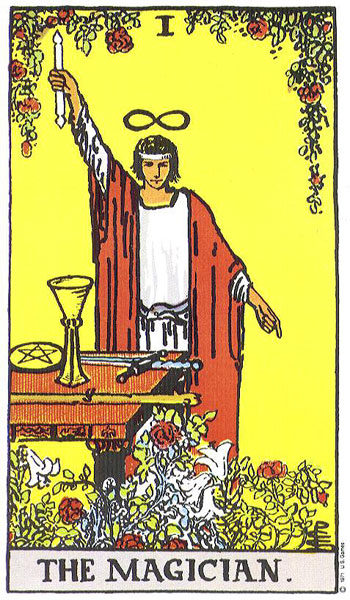
Work questions differ from love questions because they hit practical cost faster: time, money, status, risk, and long-term growth. That is why career tarot is most useful when it clarifies where the issue really sits. Is the problem skill, timing, support, structure, exhaustion, or your own hesitation?
The more concrete the work question, the more helpful the reading becomes. Instead of asking “Is this job right for me?” ask “What are the real opportunity and cost of taking this role now?” Instead of “Should I quit?” ask “What needs to be handled first if I leave within three months?” Specific questions produce readable cards.
What work questions are actually worth asking
The most useful career tarot questions sit around real decisions. Should I take this project? Where is the main risk in changing roles now? Is this collaboration still worth continuing? What is the biggest weakness I need to strengthen in my current position? Questions like these keep the cards tied to action.
If you only ask “Will I be successful?” almost any card can be bent into what you want to hear. Success is too broad. Tarot works better when it shows which part of the road is most likely to stall, which cost you are underestimating, or where your real leverage actually is.
Cards that often show up in work readings
Cards like The Magician, The Chariot, Eight of Wands, Three of Pentacles, or Eight of Pentacles often speak to execution, momentum, craft, and practical effectiveness. In work questions, they tend to support action because they emphasize what can be built, delivered, or learned.
Cards like The Moon, The Hanged Man, Eight of Swords, Five of Pentacles, or Seven of Swords often ask for caution. The issue may be incomplete information, stuck thinking, unstable resources, poor ethics, or a strategy that is not fully clean. They are not automatically saying no. They are telling you where to look harder.
How to pair tarot with practical judgment
If a card looks encouraging, you still need to review the contract, the numbers, the timeline, and the people involved. If a card looks difficult, you do not have to abandon the opportunity immediately. Ask whether the difficulty means impossible, or whether it is telling you to change the method or timing.
That is the real purpose of career tarot. Not to outsource the decision, but to look at the decision more completely before you make it. A strong card is not a substitute for thought. A hard card is not a locked door. Both are ways of seeing the shape of the choice more clearly.
Relevant Major Arcana cards
Quick Questions
Is one card enough for a work question?
A one-card draw is fine for simple guidance or a clear yes/no. For role changes, collaborations, or longer-term decisions, three or five cards usually give better structure.
Can career tarot help me decide whether to quit?
It can clarify the cost, the obstacle, and the likely outcome, but it should not replace practical preparation. The best questions include timing and conditions.
Which cards often signal job opportunity?
Cards like The Magician, The Chariot, The Sun, Eight of Wands, Three of Pentacles, and Eight of Pentacles often point to momentum, competence, and openings worth taking seriously.
Which cards suggest caution at work?
Cards like The Moon, The Hanged Man, Eight of Swords, Five of Pentacles, and Seven of Swords often tell you to gather more information, inspect the risk, or slow down before committing.
Can tarot compare two offers?
Yes. The best method is to read each option separately for opportunity, pressure, and long-term impact instead of asking one vague “Which is better?” question.
Related tool pages
 Tool Pages
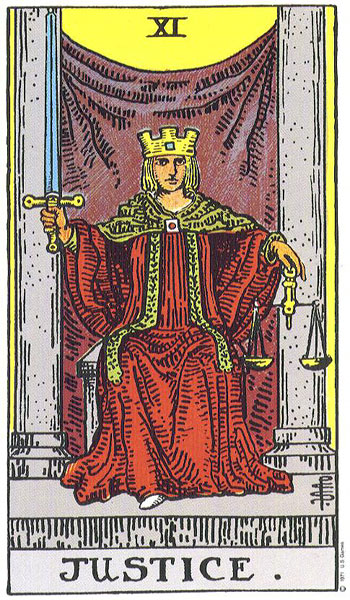
Yes or No Tarot: How to Ask Better Binary Questions
Yes or no tarot is not a machine that makes choices for you. It is a way to sharpen a binary question and see what sits underneath it. This guide explains what kinds of questions work well, how to read upright and reversed cards, and why one card is most useful when it is paired with real-world judgment.
 Tool Pages
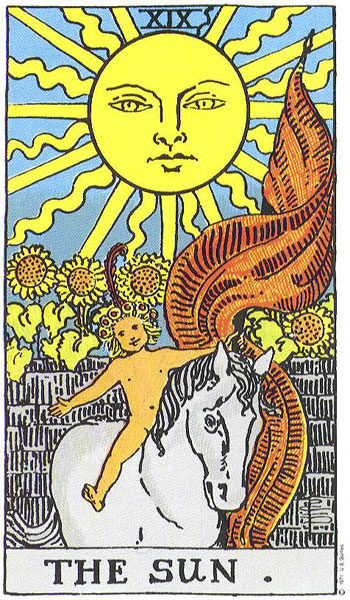
Tarot Card of the Day: Why a Daily Draw Actually Helps
The real value of a tarot card of the day is not forecasting drama. It is helping you notice what matters most today. This guide explains why a daily draw builds awareness, how to turn one card into a useful ritual, and how to read a single card as guidance instead of superstition.
 Tool Pages
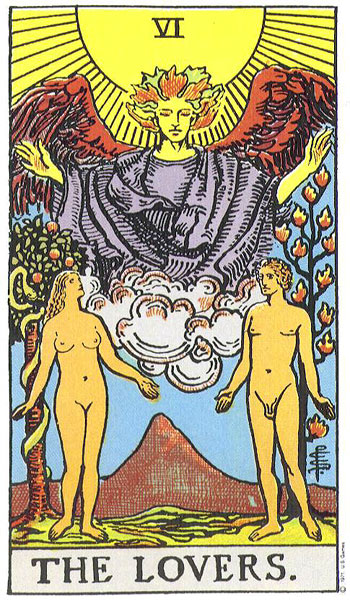
Love Tarot: How to Ask Better Relationship Questions
Love readings go blurry when the question is too big, too urgent, or entirely focused on the other person. This guide shows how to ask better love tarot questions, which cards matter most in relationship readings, and how to read tarot as real relational guidance instead of emotional amplification.
Related guides
How to Read Tarot Card Combinations
A practical guide to reading tarot card combinations, including how two or three cards modify each other, what patterns to watch for, and how to turn separate meanings into one sentence.
Beginner GuidesHow to Read Tarot for Beginners
A practical beginner guide to reading tarot: how to ask questions, read imagery, combine meanings, practice consistently, and avoid the most common early mistakes.
Beginner GuidesHow to Build a Daily Tarot Routine
A guide to creating a sustainable daily tarot practice, from morning draws to evening reflection, with tips on consistency, journaling, and avoiding compulsive over-reading.
Related spreads
 Spread Guide
Three Cards: Now / Near Future / Far Future
A three-card timing spread focused on unfolding phases ahead rather than analyzing the past.
Spread Guide
Five-Card Situation Cross
A five-card cross for seeing the heart of a situation, its roots, the obstacle, your stance, and the likely outcome.
Spread Guide
Single Card: Daily Guidance
The fastest spread on the site, designed for one clear question: what do I most need to remember today?
Want to test this question in a real reading?
Go back to the homepage and use one, three, or five cards to read this theme directly.
Start on the homepage