Tool Pages
Tarot Card of the Day: Why a Daily Draw Actually Helps
The real value of a tarot card of the day is not forecasting drama. It is helping you notice what matters most today. This guide explains why a daily draw builds awareness, how to turn one card into a useful ritual, and how to read a single card as guidance instead of superstition.
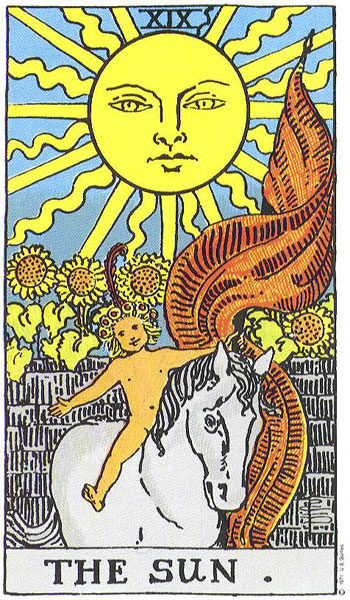
The reason a daily tarot card practice lasts for people is not that every day turns into a dramatic prophecy. It lasts because one card helps you start the day with one clear point in mind. Sometimes that point is to slow down. Sometimes it is to say the thing you keep circling around.
Used well, a tarot card of the day does not make life more mystical. It makes you more observant. You begin to notice your emotional weather, the moments that match the card, and the places where your stress is really an old pattern. That is why many people use a daily draw as a reflective practice rather than a pure prediction tool.
Why one card is enough
A one-card draw works because it does not overload you. A larger spread is great for a bigger situation, but daily life usually needs a central thread more than a full analysis. What attitude matters today? What pattern am I most likely to fall into? Where should I pay extra attention? One card can answer that cleanly.
That is also why a daily draw works well in the morning. You do not need to explain the whole day in advance. You only need one angle of attention. When you look back that night, you begin to see that the card was not writing a script. It was training your awareness.
How to turn it into a useful ritual
A simple rhythm works best: draw one card in the morning, write the card name, one keyword, and one sentence you want to remember. Then check in again at night and note the moment that matched it most. That small loop teaches you more than endlessly reading more interpretations because it builds your own language with the cards.
If the card looks difficult, there is no need to read it as a bad-omen headline. Cards like The Tower, The Moon, or Nine of Swords often work better as instructions than predictions. They may simply tell you to regulate your pace, question your fear, or stop carrying stress like it is proof of strength.
What different daily cards may be pointing to
If you pull The Sun, the day may ask for openness, confidence, and less hiding. If you pull The Hermit, the useful move may be to reduce outside noise and come back to your own pace. If Temperance appears, the message is often moderation, blending, and refusing false extremes.
Minor arcana are excellent daily cards too. Eight of Wands may show a fast day with many moving parts. Four of Cups may ask you not to ignore what is already being offered. Eight of Pentacles may simply say: do the work in front of you well and stop scattering your attention.
Quick Questions
Can a tarot card of the day really predict the whole day?
It is more useful as a lens than as a script. It helps you notice what matters, not lock the entire day into fate.
Should I draw in the morning or at night?
Morning works best for guidance, night works best for review. Many people like drawing in the morning and revisiting the card at night.
What if I pull a difficult card?
A difficult card does not automatically mean a bad day. It often points to where you need more regulation, honesty, or care.
Is it too much to pull every day?
Not at all, as long as the practice stays reflective rather than compulsive. One card a day is a healthy rhythm for many people.
Is a one-card draw beginner-friendly?
Yes. Its simplicity helps beginners build observation and journaling habits without getting flooded by too much structure.
Related tool pages
 Tool Pages
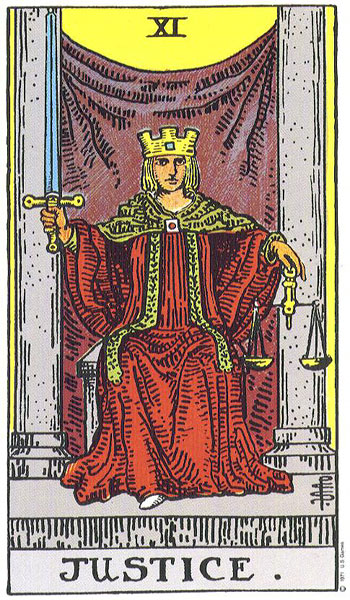
Yes or No Tarot: How to Ask Better Binary Questions
Yes or no tarot is not a machine that makes choices for you. It is a way to sharpen a binary question and see what sits underneath it. This guide explains what kinds of questions work well, how to read upright and reversed cards, and why one card is most useful when it is paired with real-world judgment.
 Tool Pages
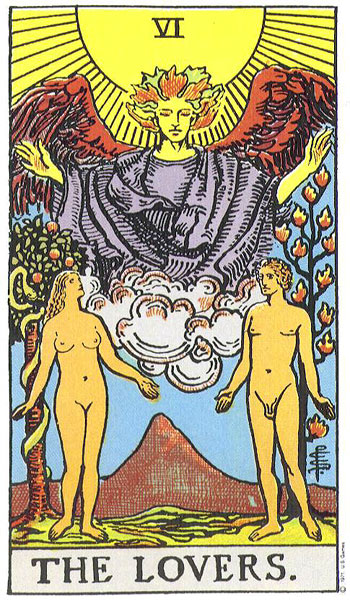
Love Tarot: How to Ask Better Relationship Questions
Love readings go blurry when the question is too big, too urgent, or entirely focused on the other person. This guide shows how to ask better love tarot questions, which cards matter most in relationship readings, and how to read tarot as real relational guidance instead of emotional amplification.
 Tool Pages
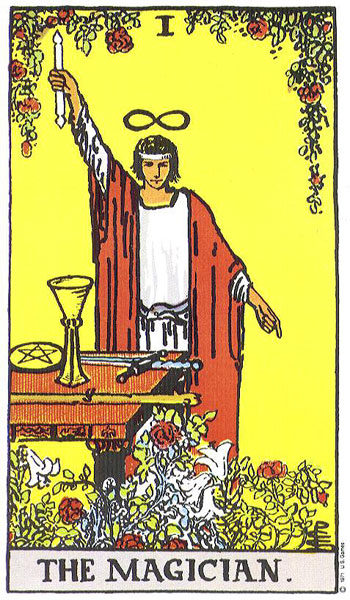
Career Tarot: How to Use Tarot for Work and Decision-Making
Career tarot works best when it sharpens your decision instead of absorbing your anxiety. This guide covers the best kinds of work questions, the cards most often linked to momentum, stagnation, or risk, and how to use tarot to support practical judgment rather than avoid it.
Related guides
How to Build a Daily Tarot Routine
A guide to creating a sustainable daily tarot practice, from morning draws to evening reflection, with tips on consistency, journaling, and avoiding compulsive over-reading.
Beginner GuidesHow to Read Tarot for Beginners
A practical beginner guide to reading tarot: how to ask questions, read imagery, combine meanings, practice consistently, and avoid the most common early mistakes.
Beginner GuidesTarot Spreads Explained
A practical guide to choosing tarot spreads, from one-card pulls to three-card timelines and five-card crosses, with advice on when each structure is actually useful.
Related spreads
 Spread Guide
Want to test this question in a real reading?
Go back to the homepage and use one, three, or five cards to read this theme directly.
Start on the homepage