Tool Pages
Yes or No Tarot: How to Ask Better Binary Questions
Yes or no tarot is not a machine that makes choices for you. It is a way to sharpen a binary question and see what sits underneath it. This guide explains what kinds of questions work well, how to read upright and reversed cards, and why one card is most useful when it is paired with real-world judgment.
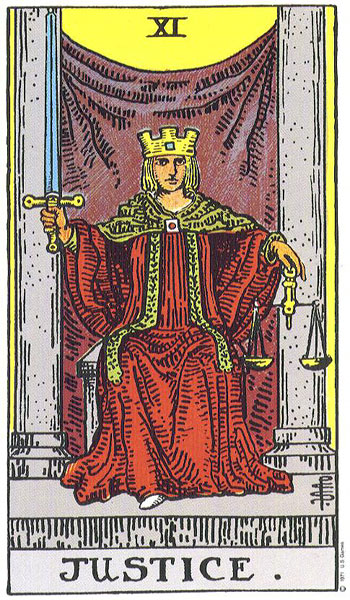
Most people who search for yes or no tarot are not really looking for a robot answer. More often, they are looking for a clean mirror: is this a real opportunity, a bad timing issue, a hidden risk, or a hesitation they already feel but have not named yet?
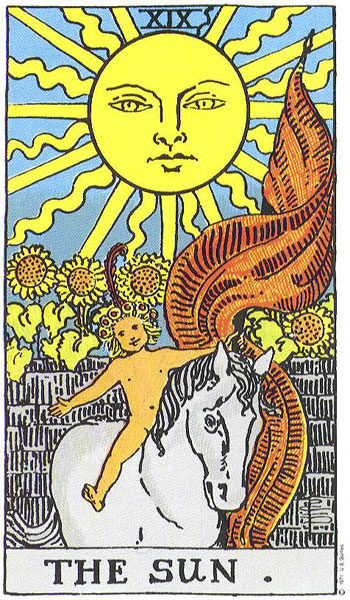
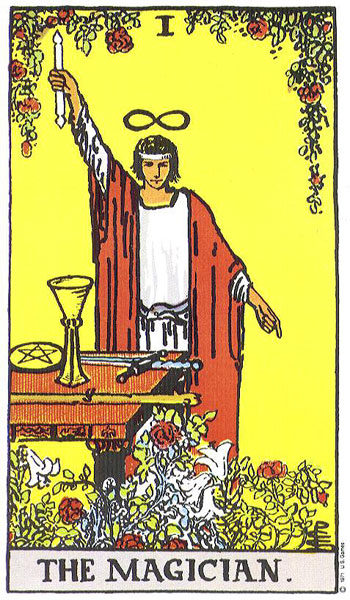
That is why Ora Tarot does not treat yes/no as a mystical button. If you return to the homepage and pull one card, the best method is to compress the question into one practical sentence, then read the card by tone as much as by symbolism. Cards like The Sun, The World, or The Magician often lean more clearly toward movement. Cards like The Moon, The Hanged Man, or Two of Swords often ask for pause, context, or another layer of truth first.
What kinds of questions work best
Yes/no works best when the question already has a clear subject, a real timeframe, and an action you might actually take. Questions like “Should I reach out this week?” “Is this offer worth accepting?” or “Is now the right time to say it plainly?” are useful because the answer changes behavior.
It works badly when you try to force an entire future into two letters. Questions like “Is this person my soulmate forever?” or “Will my life definitely work out?” are too abstract. A one-card answer there can easily turn into projection rather than guidance.
How to read upright and reversed cards
The simplest shortcut is upright leans yes, reversed leans no or not yet. But the more reliable reading is to ask whether movement looks clean, blocked, premature, or costly. Upright often suggests smoother conditions, stronger alignment, and more direct momentum.
Reversed does not always mean a permanent no. It can mean the timing is off, the information is incomplete, the motive is shaky, or the current approach is not the right one. Many reversed cards are really saying “not like this” rather than “never.”
How to get a better yes/no reading
Shrink the question and define the decision. Instead of asking “Should I stay in this relationship?” try “Is it wise to keep pushing this relationship right now?” Instead of “Is this job good?” ask “Should I accept this specific role?” Specific questions create useful answers.
Then read the tone of the card. Active, bright, integrated cards often support yes. Stuck, foggy, high-cost, or unclear cards often lean toward no, not now, or yes only under certain conditions. The real value is not the single word. It is understanding the condition behind the word.
Quick Questions
Is yes or no tarot accurate?
It is most accurate when you treat it as a clarity tool rather than a magic verdict. The better the question, the more useful the answer becomes.
Which cards usually mean yes?
Cards like The Sun, The World, The Magician, The Star, Two of Cups, or Six of Wands often lean more clearly toward yes. Context still matters.
Which cards usually mean no?
Cards like The Moon, The Hanged Man, Two of Swords, Eight of Swords, or The Tower often signal pause, insufficient clarity, or a high cost to pushing forward.
Can tarot give a definitive yes?
Sometimes the answer is strong, but most real-life situations still come with conditions. A more reliable reading asks whether the path is supported, blocked, or incomplete.
Do reversed cards always mean no?
No. Reversals often point to delay, misalignment, excess, fear, or the wrong method. That can mean no, but it can just as easily mean not yet.
Is one card enough for yes/no tarot?
Yes, if the question is concrete. If you immediately need the reason behind the answer, a three-card or five-card spread is usually better.
Does yes/no tarot work for love questions?
It does, but the question should be behavioral and specific. “Should I reach out now?” is usually more useful than “Do they love me?”
Should I draw more than once to confirm?
Usually no. Repeating the same question often amplifies anxiety instead of improving clarity. If one card feels too thin, switch to a fuller spread.
What is the best way to ask a yes/no tarot question?
Keep it specific, time-bound, and tied to a real decision. The clearer the action, the clearer the reading.
Related tool pages
 Tool Pages
Tarot Card of the Day: Why a Daily Draw Actually Helps
The real value of a tarot card of the day is not forecasting drama. It is helping you notice what matters most today. This guide explains why a daily draw builds awareness, how to turn one card into a useful ritual, and how to read a single card as guidance instead of superstition.
 Tool Pages
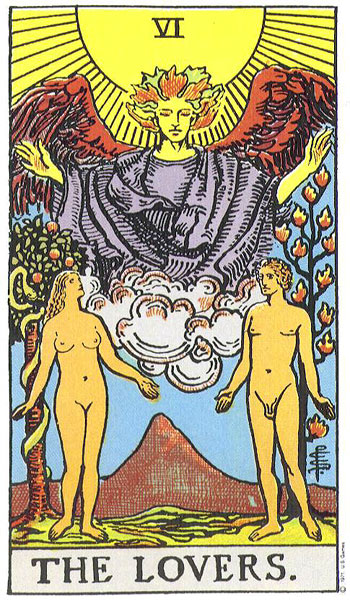
Love Tarot: How to Ask Better Relationship Questions
Love readings go blurry when the question is too big, too urgent, or entirely focused on the other person. This guide shows how to ask better love tarot questions, which cards matter most in relationship readings, and how to read tarot as real relational guidance instead of emotional amplification.
 Tool Pages
Career Tarot: How to Use Tarot for Work and Decision-Making
Career tarot works best when it sharpens your decision instead of absorbing your anxiety. This guide covers the best kinds of work questions, the cards most often linked to momentum, stagnation, or risk, and how to use tarot to support practical judgment rather than avoid it.
Related guides
How to Read Tarot for Beginners
A practical beginner guide to reading tarot: how to ask questions, read imagery, combine meanings, practice consistently, and avoid the most common early mistakes.
Beginner GuidesTarot Spreads Explained
A practical guide to choosing tarot spreads, from one-card pulls to three-card timelines and five-card crosses, with advice on when each structure is actually useful.
Beginner GuidesIs Tarot Real?
An honest, grounded look at whether tarot is real, including symbolism, projection, intuition, skepticism, and why tarot can still be useful even if you do not treat it as supernatural proof.
Related spreads
 Spread Guide
Single Card: Daily Guidance
The fastest spread on the site, designed for one clear question: what do I most need to remember today?
Spread Guide
Three Cards: Past / Present / Future
The classic timeline spread for understanding how a situation developed and where it may be heading next.
Spread Guide
Five-Card Situation Cross
A five-card cross for seeing the heart of a situation, its roots, the obstacle, your stance, and the likely outcome.
Want to test this question in a real reading?
Go back to the homepage and use one, three, or five cards to read this theme directly.
Start on the homepage