About Ora Tarot
About Ora Tarot
Ora Tarot is not trying to make tarot sound more mystical. It is trying to make it more readable, more grounded, and more useful. The site began with a simple idea: when you have a real question, you should be able to pull cards, sit with them for a moment, and read a response that feels thoughtful, practical, and human.
Why this site exists
A lot of tarot writing does not fail because tarot is useless. It fails because the language is vague. People come in asking about a relationship, a job, a turning point, or a real fear, and they leave with paragraphs that sound profound but do not actually help. Ora Tarot tries to do the opposite. It keeps the symbolic depth of tarot, but translates it into language that belongs to ordinary life.
That is why the writing here aims to stay grounded. A card is not just a keyword list. It might look like a boundary that needs to be spoken, a pattern that keeps repeating, a chapter that is ending, or a choice that is finally ready to be made. That level of honesty matters more than sounding mystical.
How we read tarot
On Ora Tarot, tarot is not a machine that makes decisions for you. It is closer to a mirror that helps sort what is already moving inside you. The value of a reading is not that it removes uncertainty. The value is that it clarifies what part of the uncertainty belongs to fear, what part belongs to fact, and what part is asking for action.
That is also why the tone here is warm but direct. Encouragement matters, but so does naming what is hard. A so-called positive card is not a guarantee of ease, and a difficult card is not a sentence. The better question is always: what is this card helping me see, and what can I do with that clarity now?
Why bilingual static pages matter
The main Ora Tarot experience is a Vite-based reading SPA, but search engines and many AI search tools do not execute front-end app flows. To make the content readable to Google as well as to tools like ChatGPT, Perplexity, and Claude, Ora Tarot includes a fully static bilingual content layer built in plain HTML.
The bilingual structure matters for readers too. Some people think most clearly in Chinese when naming emotion, and in English when naming structure or action. Making both languages readable and useful is part of the project, not an extra decoration.
One last thing
Ora Tarot is written and maintained by Hooooolly. You can treat it as a quiet place to pull cards, read meanings, and think more clearly about whatever is still unresolved. The goal is not to promise magic. The goal is to make the cards readable enough to become useful.
Tool Pages
 Tool Pages
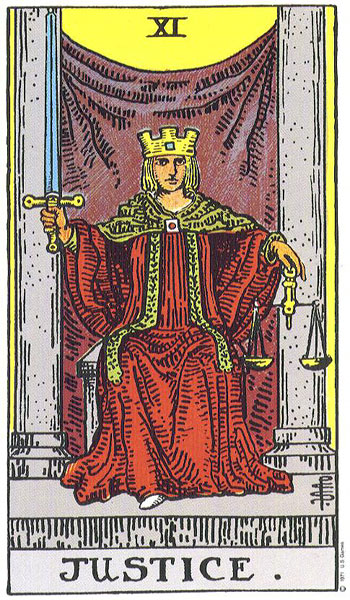
Yes or No Tarot: How to Ask Better Binary Questions
Yes or no tarot is not a machine that makes choices for you. It is a way to sharpen a binary question and see what sits underneath it. This guide explains what kinds of questions work well, how to read upright and reversed cards, and why one card is most useful when it is paired with real-world judgment.
 Tool Pages
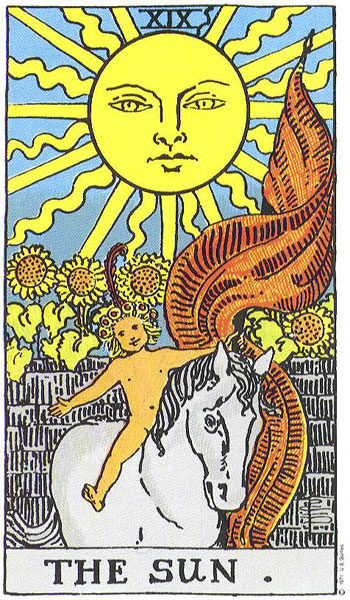
Tarot Card of the Day: Why a Daily Draw Actually Helps
The real value of a tarot card of the day is not forecasting drama. It is helping you notice what matters most today. This guide explains why a daily draw builds awareness, how to turn one card into a useful ritual, and how to read a single card as guidance instead of superstition.
 Tool Pages
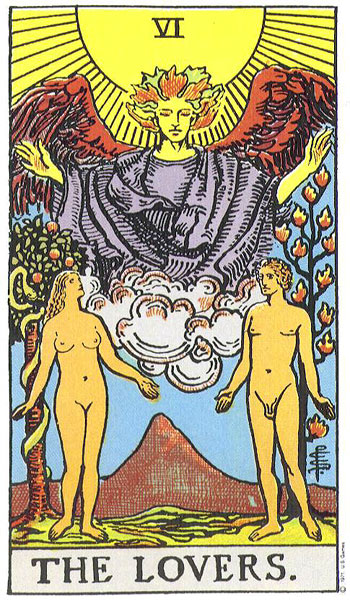
Love Tarot: How to Ask Better Relationship Questions
Love readings go blurry when the question is too big, too urgent, or entirely focused on the other person. This guide shows how to ask better love tarot questions, which cards matter most in relationship readings, and how to read tarot as real relational guidance instead of emotional amplification.
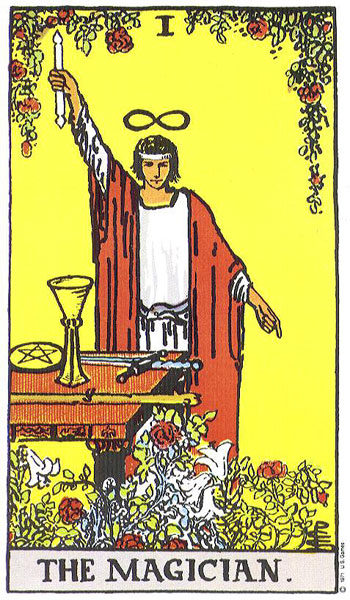 Tool Pages
Career Tarot: How to Use Tarot for Work and Decision-Making
Career tarot works best when it sharpens your decision instead of absorbing your anxiety. This guide covers the best kinds of work questions, the cards most often linked to momentum, stagnation, or risk, and how to use tarot to support practical judgment rather than avoid it.
Beginner Guides
How to Read Tarot for Beginners
A practical beginner guide to reading tarot: how to ask questions, read imagery, combine meanings, practice consistently, and avoid the most common early mistakes.
Beginner GuidesTarot Card Meanings Explained
A practical guide to understanding tarot meanings as a system: Major Arcana, Minor Arcana, suits, number cards, court cards, and how context changes interpretation.
Beginner GuidesHow to Shuffle Tarot Cards
A practical guide to overhand, riffle, pile, and fan shuffling, including when each method works, how to avoid damaging your deck, and how to connect shuffling with the reading itself.
Beginner GuidesTarot vs Oracle Cards
A practical comparison of tarot and oracle cards: structure, question style, strengths, limitations, and how to choose which one fits your reading style.
Want to pull a reading yourself?
Go back to the homepage, choose a spread, and let the cards answer your question directly.
Return to the homepage