How Readings Work on Ora Tarot
How Readings Work on Ora Tarot
The Ora Tarot reading flow is simple: let the cards provide structure first, then decide what to do with that structure. You bring a question, choose one, three, or five cards, and the reading uses the spread positions to turn symbolic language into something easier to work with.

Start with the question and the spread
The homepage experience begins with a question. It can be about love, work, school, money, health, or simply where life feels unsettled. Then you choose the spread size: one card for quick guidance, three cards for a timeline, or five cards for a deeper structural read.
Read the card through its position
The card matters, but the position matters too. The same card reads differently in a “past” slot than it does in an “obstacle” slot. Ora Tarot works by pairing the symbolism of the card with the function of the position so the reading becomes more specific and useful.
Upright and reversed are not a simple good/bad split
A reversed card is not automatically bad. Upright and reversed are usually different expressions of the same core theme. Upright can show a cleaner flow of that theme. Reversed may show blockage, excess, denial, delay, or an inward version of the same pattern.
Turn symbolism into action
A good tarot reading should eventually return to real life. After the reading, you should feel more able to name what needs to be said, stopped, begun, protected, or reconsidered. Ora Tarot is built to help make that translation: from symbol to clarity, and from clarity to the next sensible step.
Tool Pages
 Tool Pages
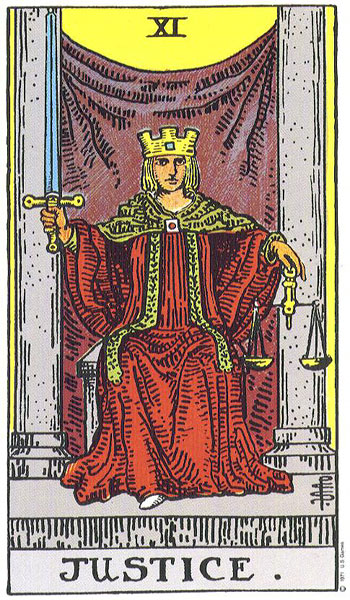
Yes or No Tarot: How to Ask Better Binary Questions
Yes or no tarot is not a machine that makes choices for you. It is a way to sharpen a binary question and see what sits underneath it. This guide explains what kinds of questions work well, how to read upright and reversed cards, and why one card is most useful when it is paired with real-world judgment.
 Tool Pages
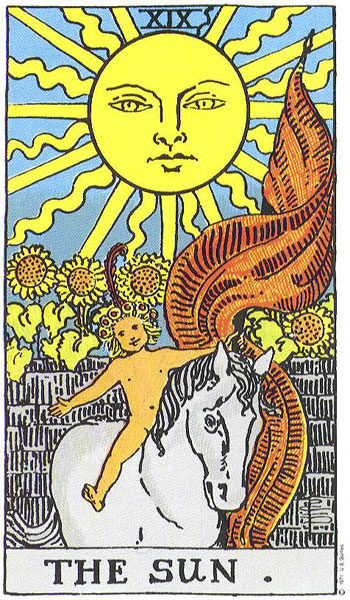
Tarot Card of the Day: Why a Daily Draw Actually Helps
The real value of a tarot card of the day is not forecasting drama. It is helping you notice what matters most today. This guide explains why a daily draw builds awareness, how to turn one card into a useful ritual, and how to read a single card as guidance instead of superstition.
 Tool Pages
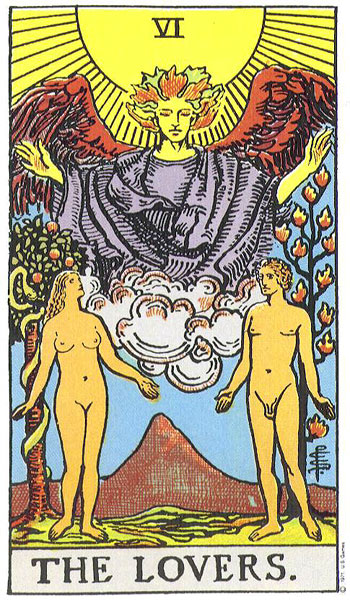
Love Tarot: How to Ask Better Relationship Questions
Love readings go blurry when the question is too big, too urgent, or entirely focused on the other person. This guide shows how to ask better love tarot questions, which cards matter most in relationship readings, and how to read tarot as real relational guidance instead of emotional amplification.
 Tool Pages
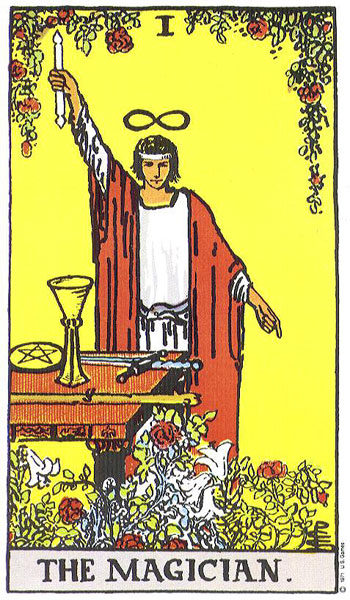
Career Tarot: How to Use Tarot for Work and Decision-Making
Career tarot works best when it sharpens your decision instead of absorbing your anxiety. This guide covers the best kinds of work questions, the cards most often linked to momentum, stagnation, or risk, and how to use tarot to support practical judgment rather than avoid it.
Beginner Guides
How to Read Tarot for Beginners
A practical beginner guide to reading tarot: how to ask questions, read imagery, combine meanings, practice consistently, and avoid the most common early mistakes.
Beginner GuidesTarot Card Meanings Explained
A practical guide to understanding tarot meanings as a system: Major Arcana, Minor Arcana, suits, number cards, court cards, and how context changes interpretation.
Beginner GuidesHow to Shuffle Tarot Cards
A practical guide to overhand, riffle, pile, and fan shuffling, including when each method works, how to avoid damaging your deck, and how to connect shuffling with the reading itself.
Beginner GuidesTarot vs Oracle Cards
A practical comparison of tarot and oracle cards: structure, question style, strengths, limitations, and how to choose which one fits your reading style.
Want to pull a reading yourself?
Go back to the homepage, choose a spread, and let the cards answer your question directly.
Return to the homepage