Spread Guide
Tarot Spread Guide
If you are deciding how many cards to pull, start here. These pages explain what each spread is for, how each position works, and when a quick draw is enough versus when you need a fuller structure.

If you are unsure whether to draw one, three, or five cards, start with structure. The position logic usually tells you more than the card count alone.
Spread Guide
Spread Guide
Three Cards: Past / Present / Future
The classic timeline spread for understanding how a situation developed and where it may be heading next.
Spread Guide
Three Cards: Now / Near Future / Far Future
A three-card timing spread focused on unfolding phases ahead rather than analyzing the past.
Spread Guide
Five-Card Situation Cross
A five-card cross for seeing the heart of a situation, its roots, the obstacle, your stance, and the likely outcome.
Spread Guide
Five-Card Relationship Cross
A five-card relationship layout for the current bond, where it is going, what blocks it, and how each side is seeing it.
Spread Guide
Single Card: Daily Guidance
The fastest spread on the site, designed for one clear question: what do I most need to remember today?
Tool Pages
These pages target common search questions directly: yes or no tarot, tarot card of the day, love tarot, and career tarot. They are static content pages that also point you back to the reading app.
 Tool Pages
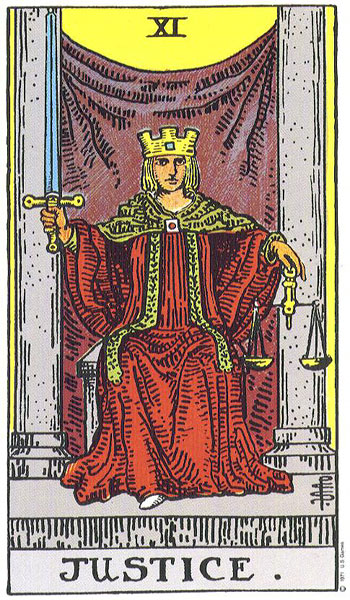
Yes or No Tarot: How to Ask Better Binary Questions
Yes or no tarot is not a machine that makes choices for you. It is a way to sharpen a binary question and see what sits underneath it. This guide explains what kinds of questions work well, how to read upright and reversed cards, and why one card is most useful when it is paired with real-world judgment.
 Tool Pages
Tarot Card of the Day: Why a Daily Draw Actually Helps
The real value of a tarot card of the day is not forecasting drama. It is helping you notice what matters most today. This guide explains why a daily draw builds awareness, how to turn one card into a useful ritual, and how to read a single card as guidance instead of superstition.
 Tool Pages
Love Tarot: How to Ask Better Relationship Questions
Love readings go blurry when the question is too big, too urgent, or entirely focused on the other person. This guide shows how to ask better love tarot questions, which cards matter most in relationship readings, and how to read tarot as real relational guidance instead of emotional amplification.
 Tool Pages
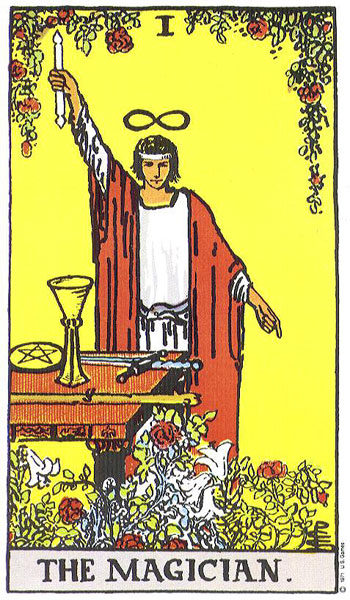
Career Tarot: How to Use Tarot for Work and Decision-Making
Career tarot works best when it sharpens your decision instead of absorbing your anxiety. This guide covers the best kinds of work questions, the cards most often linked to momentum, stagnation, or risk, and how to use tarot to support practical judgment rather than avoid it.
Beginner Guides
If you want to learn tarot more systematically, build a daily practice, or understand a common beginner question in full, these long-form guides are the best place to start.
How to Read Tarot for Beginners
A practical beginner guide to reading tarot: how to ask questions, read imagery, combine meanings, practice consistently, and avoid the most common early mistakes.
Beginner GuidesTarot Card Meanings Explained
A practical guide to understanding tarot meanings as a system: Major Arcana, Minor Arcana, suits, number cards, court cards, and how context changes interpretation.
Beginner GuidesHow to Shuffle Tarot Cards
A practical guide to overhand, riffle, pile, and fan shuffling, including when each method works, how to avoid damaging your deck, and how to connect shuffling with the reading itself.
Beginner GuidesTarot vs Oracle Cards
A practical comparison of tarot and oracle cards: structure, question style, strengths, limitations, and how to choose which one fits your reading style.
Beginner GuidesTarot Spreads Explained
A practical guide to choosing tarot spreads, from one-card pulls to three-card timelines and five-card crosses, with advice on when each structure is actually useful.
Beginner GuidesHow to Build a Daily Tarot Routine
A guide to creating a sustainable daily tarot practice, from morning draws to evening reflection, with tips on consistency, journaling, and avoiding compulsive over-reading.